September 17, 2025
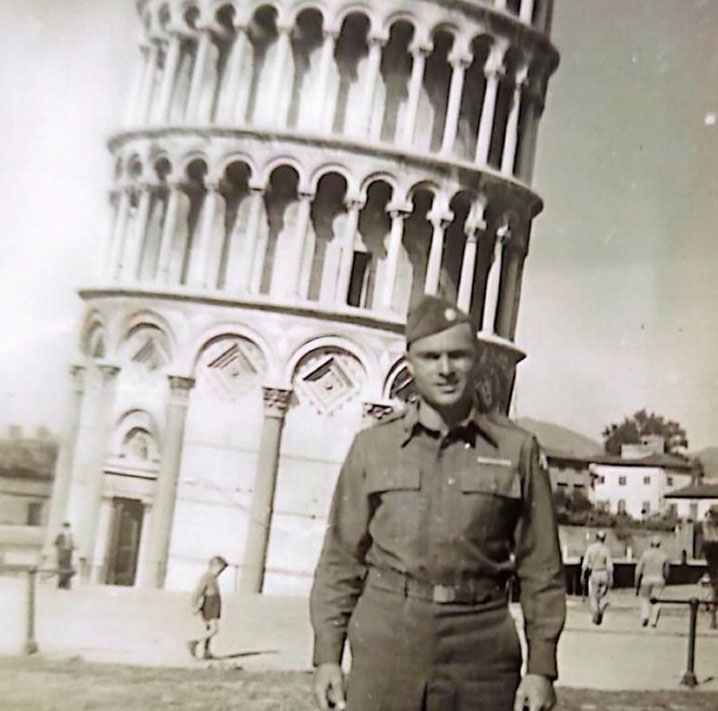
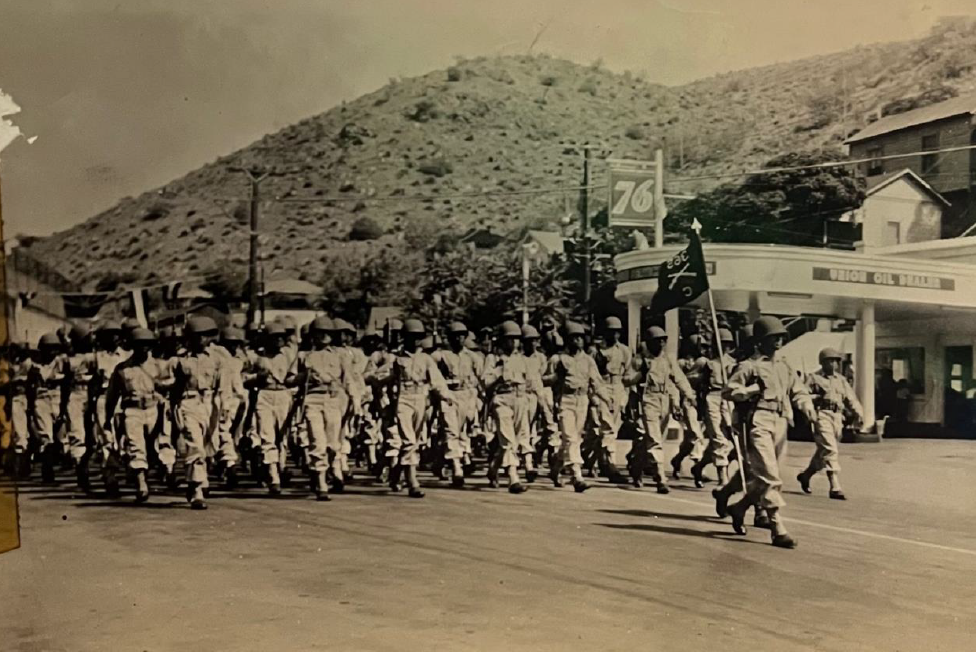
Episode one examines Col. Verheul’s experience during World War II at The Infantry School at Fort Benning, Georgia and with the 92nd “Buffalo” Infantry Division. Notably, as a white officer in this Division, Verheul found himself on the frontlines of a significant struggle which helped change the very nature of the US military.
Episode One Audio Credits
“A History of Direct Commissions.” US Army Heritage and Historical Center, 2018.
This article describes various commissioning processes the Army has utilized over time. This sheds light on how Col. Verheul earned his commission in 1940.
“An Ace Returns.” West Point News, August 10, 1944.
This article was analyzed when trying to discover how long Col. Verheul was at the Command and General Staff School. The individual in this article attended the course for about three months.
Alexander. “Stuka Siren Sound Effect.” Scary Sounds, January 8, 2018.
This sound effect is that of a German Stuka dive-bomber which is synonymous with the Blitzkrieg and combat in World War II.
This sound effect is that of horses galloping to help symbolize the 92nd “Buffalo” Division’s heritage of service on the Western Frontier.
“Army: Parade Ground Manoeuvres.” BBC Rewind – Sound Effects. Accessed August 11, 2025.
This sound effect is that of soldiers coming to attention in formation.
“Army-Soldiers, Ragged Marching on Gravel.” BBC Rewind – Sound Effects. Accessed August 11, 2025.
This sound effect is that of soldiers marching and symbolizes the training of the 92nd Infantry Division.
This is Mary Baker Eddy’s principal work and articulates the biblical foundation of Christian Science and its teachings.
“Boats: Sailing: Gaff-Rigged Ketch.” BBC Rewind – Sound Effects. Accessed August 11, 2025.
This sound effect is that of a boat sailing to represent the voyage of the Verheuls’ ancestors to the US.
“Command and General Staff School.” The Army University, 2025.
This article describes the purpose and goals of the Command and General Staff School which Col. Verheul graduated from in July 1944.
President Truman’s Executive Order 9981 abolished segregation within the US military.
Freeman, Elsie, Wynell Burroughs Schamel, and Jean West. “The Fight for Equal Rights: A Recruiting Poster for Black Soldiers in the Civil War.” Social Education 56, no. 2 (1992): 118–120.
This article examines Black military service during early periods in American history such as the Revolution and Civil War.
“Fighting 92nd with the Fifth Army in Italy.” Internet Archive, March 28, 2011.
This World War II era newsreel highlights the 92nd Division during its fight throughout the Italian campaign.
“Fort to Train 92nd Division.” The Arizona Republic, May 13, 1943.
This article announces the 92nd Division will be housed and trained at Fort Huachuca, Arizona.
Guglielmo, Thomas. Divisions: A New History of Racism and Resistance in America’s World War II Military. (Oxford, UK: Oxford University Press, 2021), 18, 20, 24, 238, 314, 329, 362.
This work explores race relations in the US military during the Second World War. It focuses on both racism and resistance to racism in the military among individual servicemembers and civilian leaders.
This document provides data on the chemical industry Col. Verheul sought work in during the early 1930s.
“Major Maxwell is Intelligence Head.” The Hill Top Times, August 23, 1944.
This article was analyzed when trying to discover how long Col. Verheul was at the Command and General Staff School. The individual in this article attended the course for about two months.
“Man – Walking Through Water.” BBC Rewind – Sound Effects. Accessed August 12, 2025.
This sound effect is that of an individual walking through water and is meant to symbolize US prisoners marching across a steam during the referenced Bataan Death March.
“Motor Car: 1940 Period.” BBC Rewind – Sound Effects. Accessed August 11, 2025.
This sound effect is that of a truck driving to represent in-part the Verheuls’ work on the farm.
“Omar Nelson Bradley.” Joint History Office, Office of the Chief and Joint Chiefs of Staff, 2016.
This article provides an overview of Gen. Bradley’s life and career. Of note are his contributions to the creation of The Infantry School at Fort Benning, Georgia.
This article highlights African American military service throughout various conflicts and eras.
“Promoted to Major.” Clipping from unknown newspaper, circa 1943, Author’s collection.
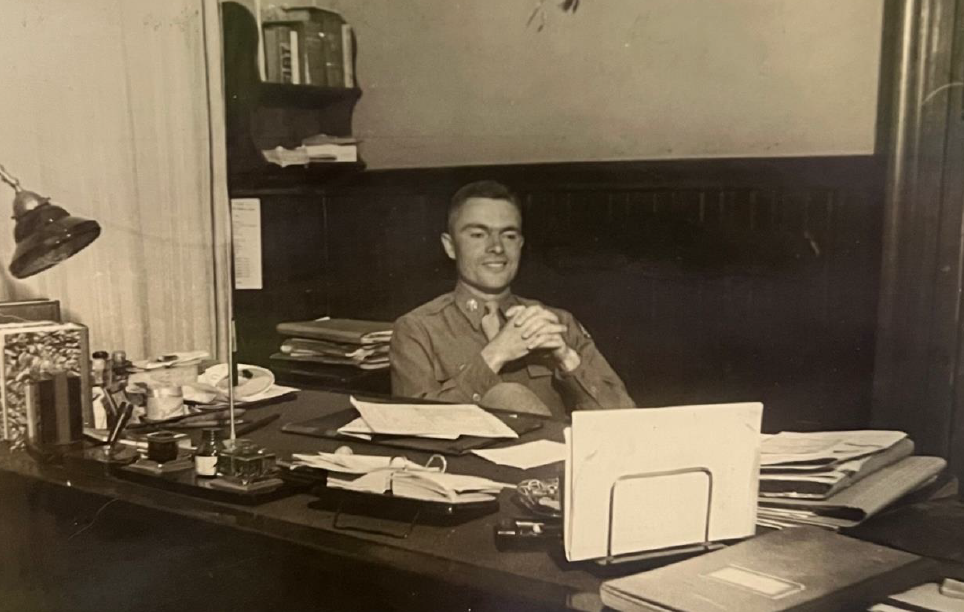
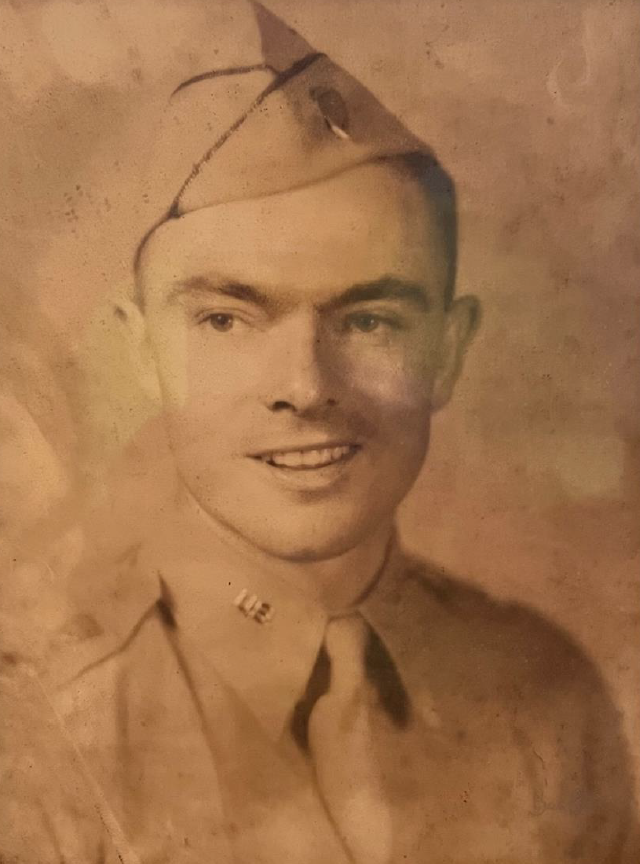
This brief article includes a picture of a young Col. Verheul and describes his promotion while at Fort Huachuca, Arizona with the 92nd Infantry Division.
This publication details the formation and combat chronicle of the 473rd Infantry Regiment throughout its service during the Italian campaign of 1945. Col. Verheul joined this unit sometime in early 1945.
“Revised Roster of Officers in Camp.” The State, February 18, 1940.
In this article, Col. Verheul appears in a roster of men stationed at Camp Jackson, South Carolina.
This publication illustrates crop prices over time during the Great Depression.
“Three Rivers.” The Kalamazoo Gazette, November 2, 1941.
This article notes when Col. Verheul was named aide-de-camp to Gen. Bradley at Fort Benning, Georgia.
“US Army Registers, 1798-1969.” Fold3.
The description of Col. Verheul in the register overviews his career through promotion dates and courses attended.
Verheul, Richard H. “1920 United States Federal Census.” Ancestry.
The census records indicate occupations and household members of the Verheul family.
Verheul, Richard H. “The Bronze Star Medal.” US War Office, 1951.
The citation for Col. Verheul’s Bronze Star Medal states the actions that won him the award occurred between April 13–May 2, 1945.
Verheul, Richard H. “The Bronze Star Medal.” US War Office, 1951.
The citation for Col. Verheul’s Oak Leaf Cluster to his Bronze Star Medal states the actions that won him the award occurred on or around February 4, 1945.
Verheul, Richard H. “The Purple Heart.” US War Office, 1951.
The citation for Col. Verheul’s Purple Heart details the date of his wounding in the Mediterranean Theater on November 29, 1944.
“Visiting Relatives and Friends Here.” News Progress, August 18, 1944.
This article was analyzed when trying to discover how long Col. Verheul was at the
Command and General Staff School.
The individual in this article attended the course for about two and a half months.
This song illustrates the sentiments regarding Jim Crow that many Black US soldiers experienced during World War II.
This sound effect is that of a machine gun firing to represent battle.
“16 Reserve Officers Join for 7 Months,” The State, December 17, 1939.
This article illustrates why Col. Verheul, and his peers were assigned to the 6th Infantry Division as officer candidates.
“92nd Infantry Identification Project.” Defense POW/MIA Accounting Agency.
This article details the combat record of the 92nd Infantry Division while exploring efforts to recover and identify the remains of its lost soldiers.
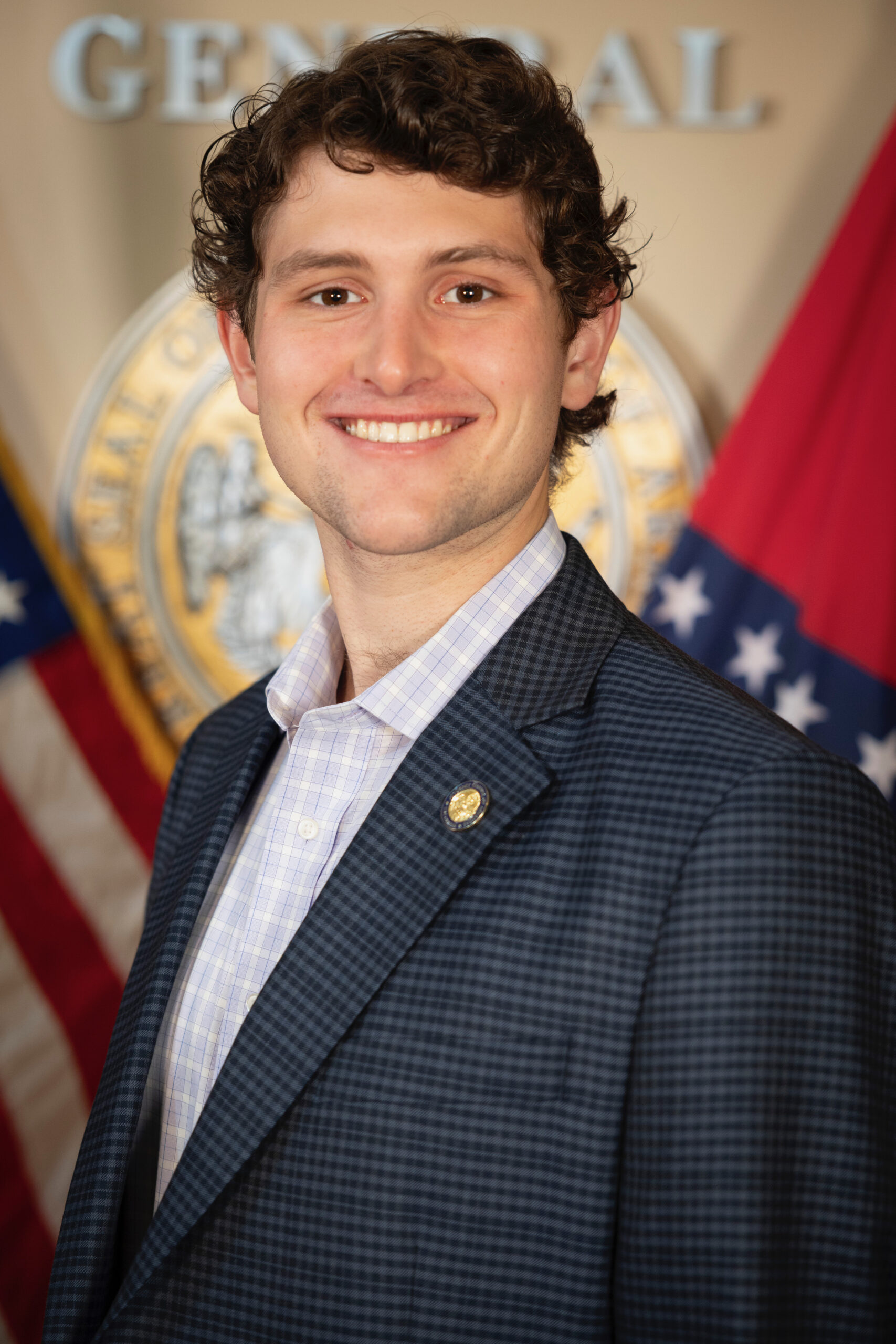
Sam Taylor
Sam Taylor is a M.A. student and Graduate Assistant in the Department of History at Texas Christian University.

Meet Our Guest
Thomas A. Guglielmo is Professor of American Studies and History at George Washington University. His teaching and research interests include race and ethnic studies, immigration, and twentieth-century U.S. social, cultural, political, and military history.