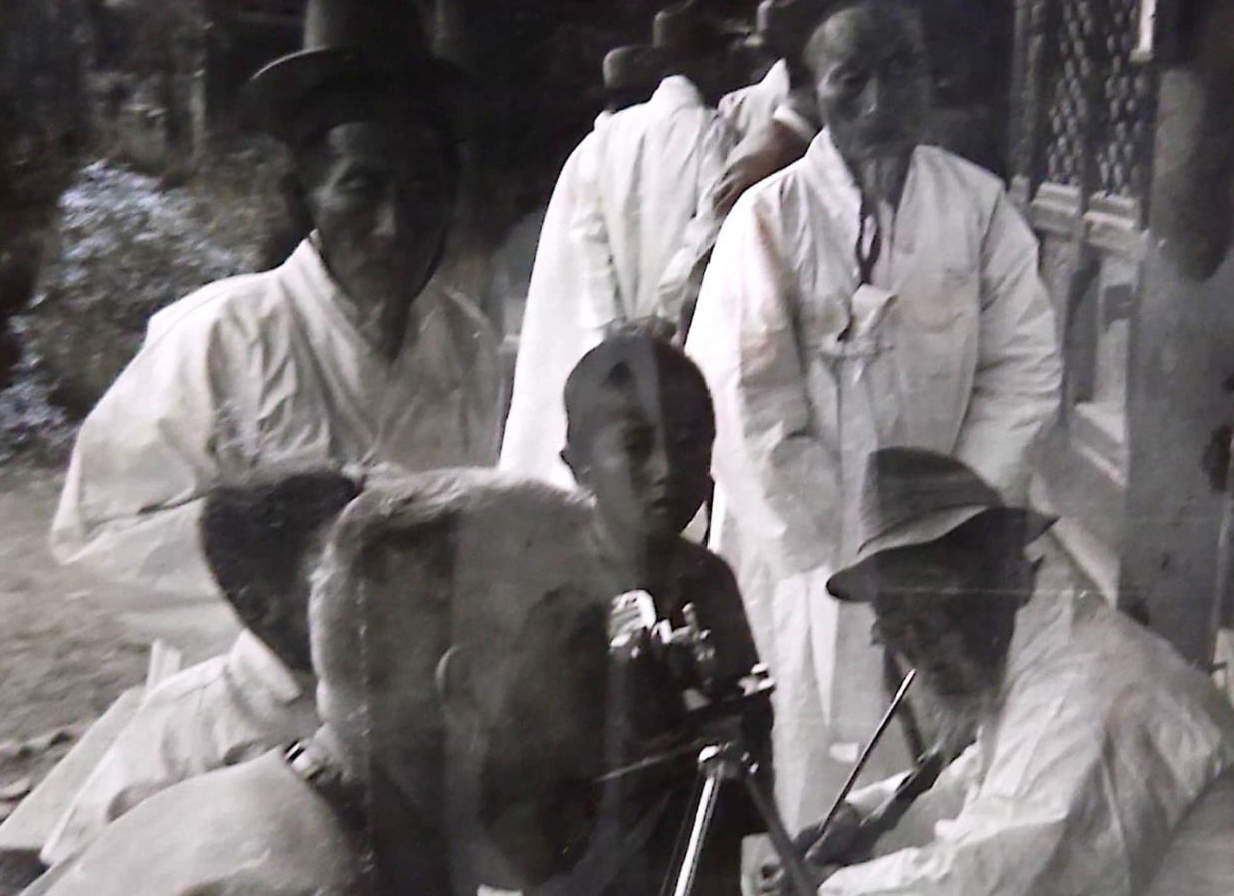
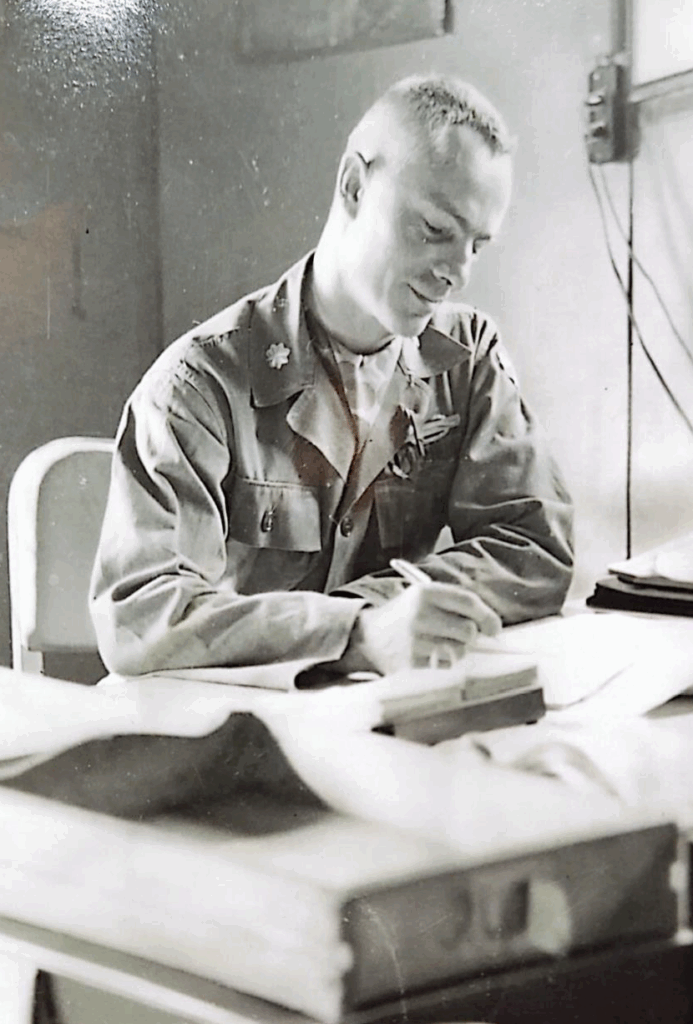
This episode evaluates Cold War US foreign policy in Latin America, the impact of ROTC programs during the Korean War, the role of military intelligence in East Asia, and the development of the Davy Crockett recoilless rifle. In this episode, you will see the US begin to exert not only soft power, but nuclear power abroad!


Episode Two Audio Credits
This sound effect is meant to represent the referenced nuclear weapons-capable strategic bombers.
This article sheds light on why the zinc, copper, and lead sourced by US companies out of Peru were critical war materials.
This article details the service of the intelligence unit with which Col. Verheul served while stationed in Tokyo, Japan.
This publication examines the impact of the Davy Crockett on Soviet strategy and doctrine after its incorporation into several NATO exercises.
This article provides context surrounding the Brown (1954) decision.
“Cash Register Being Reset.” BBC Rewind – Sound Effects. Accessed August 12, 2025.
This sound effect is that of a cash register “ca-ching” to represent the referenced sale of US military equipment.
“Coal Mining – Mining with Pick.” BBC Rewind – Sound Effects. Accessed August 11, 2025.
This sound effect is that of miners working to represent the referenced mining operations in Peru.
“Eaton Rapids.” Jackson Citizen Patriot, October 5, 1950.
This article recalls Col. Verheul’s equipment demonstration to guests at a Kiwanis Club luncheon.
This sound effect is meant to represent the referenced nuclear defense alert system.
“Former Chief Played a Part in Army Integration.” US Army Corps of Engineers, 2001.
This article explains personnel quotas and military branch demographics around the time President Truman signed Executive Order 9981.
“George E. Kruger.” Arizona Silver Belt, May 1, 1975.
This article details Kruger’s career as a geologist and mining consultant. Kruger befriended Col. Verheul while stationed at Lima, Peru.
“Guns: Gunfire: Machine Gun.” BBC Rewind – Sound Effects. Accessed August 12, 2025.
This sound effect represents the fighting during the outbreak of the Korean War.
This article provides data on the number of ROTC officers called to active service during the Korean War.
This article offers an overview of the Eighth Army’s chronicle throughout various conflicts and duty stations.
This master’s thesis examines the evolution of the US and Soviet presence in Peru over time.
“La Flor de La Canela.” Los Morochucos, 1953.
This song is an unofficial anthem of Lima, Peru and was released while Col. Verheul was stationed at Lima.
“Leads Unit.” Lansing State Journal, November 11, 1954.
This article names ROTC members involved with the upcoming Veterans Day parade and ceremony.
“Letter from Lt. Roger Clark Hull,” July 7, 1953. Author’s collection.
This letter reflects upon Lt. Hull’s time in ROTC at Michigan State University while Col. Verheul was his instructor.
MacGregor, Morris J. “Integration of the Armed Forces.” Defense Historical Studies Committee, 1979.
This work is a thorough examination of the desegregation and eventual integration of the US military.
Madden, John T. “MSU Fight Song.” Spotify, June 1, 2005.
This sound effect is that of the Michigan State University Fight Song to provide a glimpse into Col. Verheul’s alma mater.
George Kennan’s report on Latin America during Col. Verheul’s assignment in Lima.
“Milestones: 1945–1952, Atomic Diplomacy.” Office of the Historian.
This article discusses developments in nuclear diplomacy and weapons programs in the postwar era.
“Military mission.” Treaties and Other International Agreements of the United States of America 1776–1949 (1941): 205, or 55 Stat. (pt. 2) 1254.
This inaugural treaty aided the Peruvian Remount or cavalry service. The Office of the Historian housed these agreements while the author was conducting research. However, it seems the documents are being transferred to the Library of Congress. At the time this bibliography was produced, the Library of Congress site housing the agreements establishing the position of the US Army Advisor to the Peruvian military is undergoing maintenance, so links are not able to be provided.
“Military mission.” Treaties and Other International Agreements of the United States of America 1776–1949 (1944).
The 1944 agreement saw the US advisor transition their focus on the Peruvian Army as opposed to the cavalry service. The Office of the Historian housed these agreements while the author was conducting research. However, it seems the documents are being transferred to the Library of Congress. At the time this bibliography was produced, the Library of Congress site housing the agreements establishing the position of the US Army Advisor to the Peruvian military is undergoing maintenance, so links are not able to be provided.
“Military mission.” Treaties and Other International Agreements of the United States of America 1776–1949 (Bevans)10 (1949): 1286–1291.
The 1949 agreement continued the focus on the Peruvian Army. The Office of the Historian housed these agreements while the author was conducting research. However, it seems the documents are being transferred to the Library of Congress. At the time this bibliography was produced, the Library of Congress site housing the agreements establishing the position of the US Army Advisor to the Peruvian military is undergoing maintenance, so links are not able to be provided.
“Mining in Peru Called Rugged.” Spokane Chronicle, July 8, 1949.
This article explores Everett H. Graff’s career and observations of Peru’s mining environment.
“Ordnance Unit Formed.” Lansing State Journal, January 5, 1953.
This article mentions a unit inspection conducted by Col. Verheul at MSU.
“Replacement Named.” Lansing State Journal, June 30, 1950.
This article announces Col. Verheul’s appointment as professor of Military Science at MSU.
This article discusses the development of the Davy Crockett system, which Col. Verheul helped develop.
“Ships & Tugs: Whistles & Sirens.” BBC Rewind – Sound Effects. Accessed August 12, 2025.
This sound effect is that of a ship’s horn to represent the referenced development of the Peruvian Navy.
“Small Arms Battle.” BBC Rewind – Sound Effects. Accessed August 11, 2025.
This sound effect is that of a military skirmish to represent a firefight and the outbreak of the Korean War.
“The Soviet ICBM Program.” CIA Historical Review Program, 1957.
This document details the development and impact of Soviet intercontinental ballistic missiles.
A speech expressing the need for civil rights progress, which predated Executive Order 9981.
This sound effect is that of an exploding bomb to represent battle.
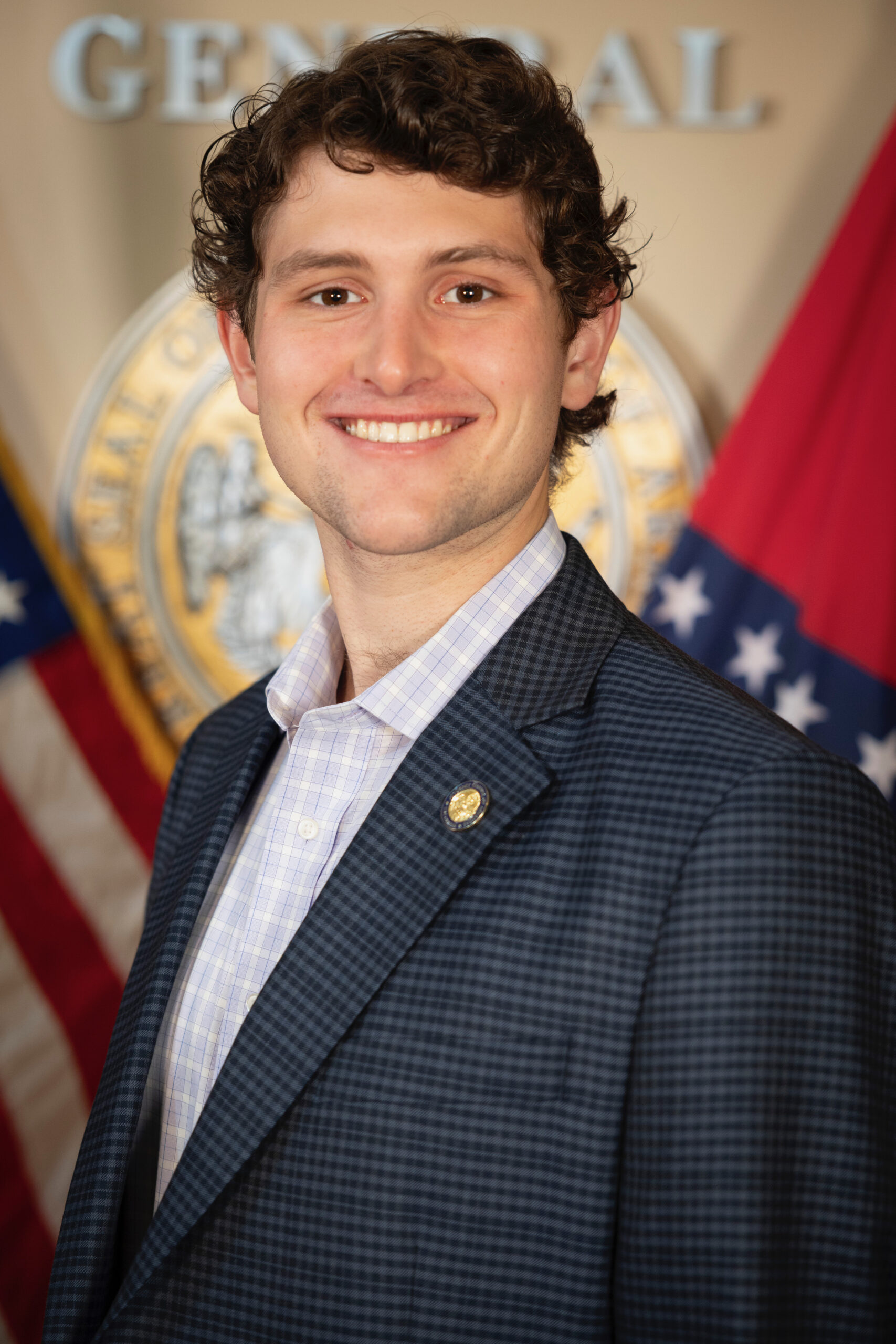
Sam Taylor, Host
Sam Taylor is a M.A. student and Graduate Assistant in the Department of History at Texas Christian University.
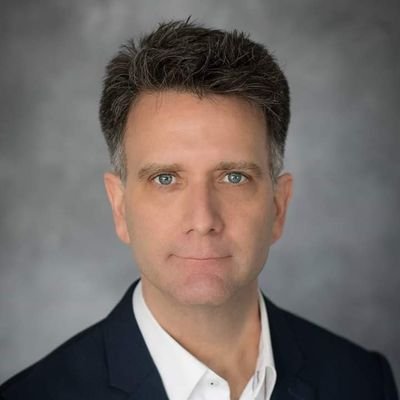
Meet Our Guest
Alan McPherson specializes in the history of U.S.-Latin American relations and teaches broadly in U.S. foreign relations and global history. He has been a fellow at Harvard University and twice a Fulbright Fellow.