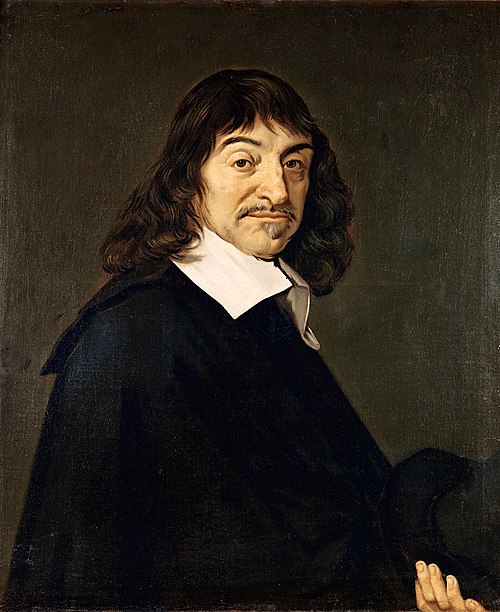
In this episode, student historians Aidan Shackelford, Charles Worrell, and Isaac Murat uncover the history of ideas about the relationship between the human mind and the body. Though René Descartes is sometimes credited as the first person to theorize a division between the two, these historians trace a much deeper tradition of attempts to understand human consciousness, and explore the implications of this history within the field of neuroscience today.
Sources Cited in this Episode
Aquinas, Thomas. “Man, Spiritual and Corporeal Substance” and “The Union of Body and Soul.” Summa Theologiae. Book I. Questions 75–76. (https://aquinas.cc/la/en/~ST.I.Q75)
Descartes, René; John Cottingham, Robert Stoothoff, and Dugald Murdoch. The Philosophical Writings of Descartes. Vol. 1–3. Cambridge: Cambridge University Press, 1984.
Polansky, Ronald. Aristotle’s De Anima: A Critical Commentary. Cambridge: Cambridge University Press, 2007.
Further Reading
Potter, Paul, and John P. Wright. Psyche and Soma: Physicians and Metaphysicians on the Mind-Body Problem from Antiquity to Enlightenment. Oxford: Clarendon Press, 2000.
Westphal, Jonathan. The Mind-Body Problem. Cambridge: MIT Press, 2016.
Audio Citations
Music from #Uppbeat (free for Creators!): https://uppbeat.io/t/braden-deal/lazy-colors License code: 9AH1PEPMWJA6EISJ
Meet Our Guests
Dr. Jonathan Pillow is a Pofessor at the Princeton University Neuroscience Institute. He received his bachelor’s degree in Mathematics and Philosophy from University of Arizona in 1997 and his Ph.D. in Neuroscience from New York University in 2005. He is a prolific author with published works such as “Bayesian and quasi-Bayesian estimators for mutual information from discrete data.”
Rev. Sandi Michels is a lifelong student of theology from Zionsville, Indiana. She was one of the first women to be ordained a priest in the state of Texas. During her ministry she served churches in El Paso, Las Cruces, NM, St. Louis and suburban Indianapolis. After retiring to Fort Worth, Michels accepted the position of priest in charge of St. Elisabeth in River Oaks.
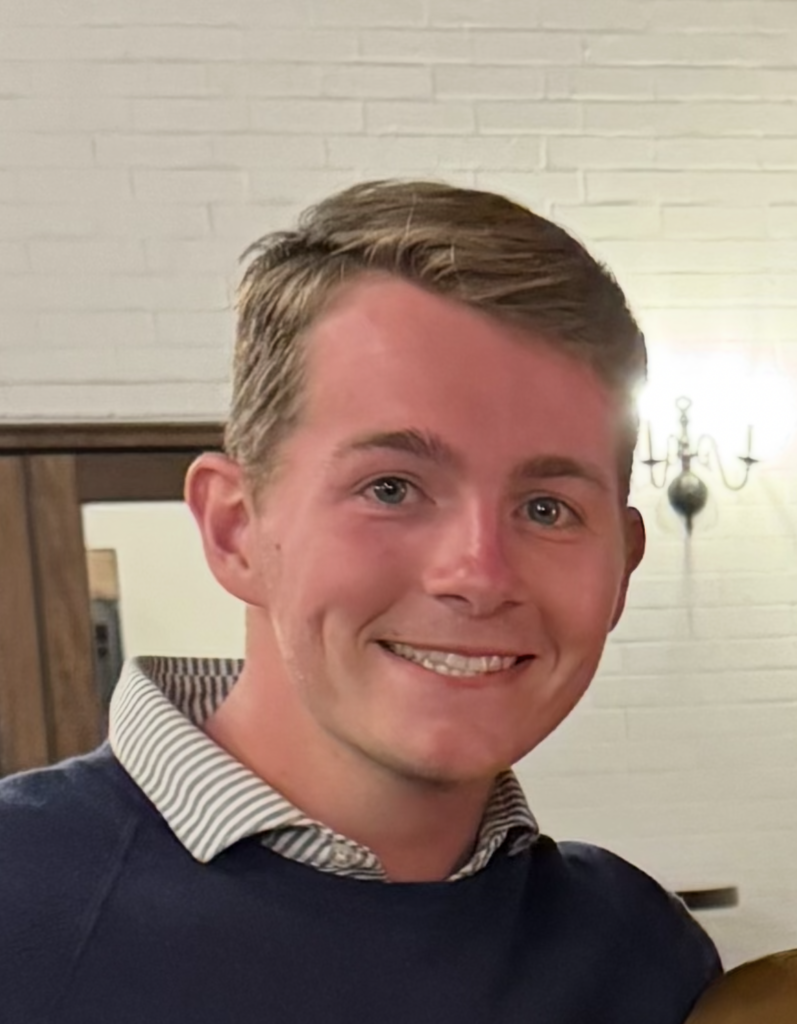
Aidan Shackelford
Aidan is a senior from Fort Worth, Texas, majoring in Combined Science. He has always had an interest in medicine and hopes to attend medical school after graduation.
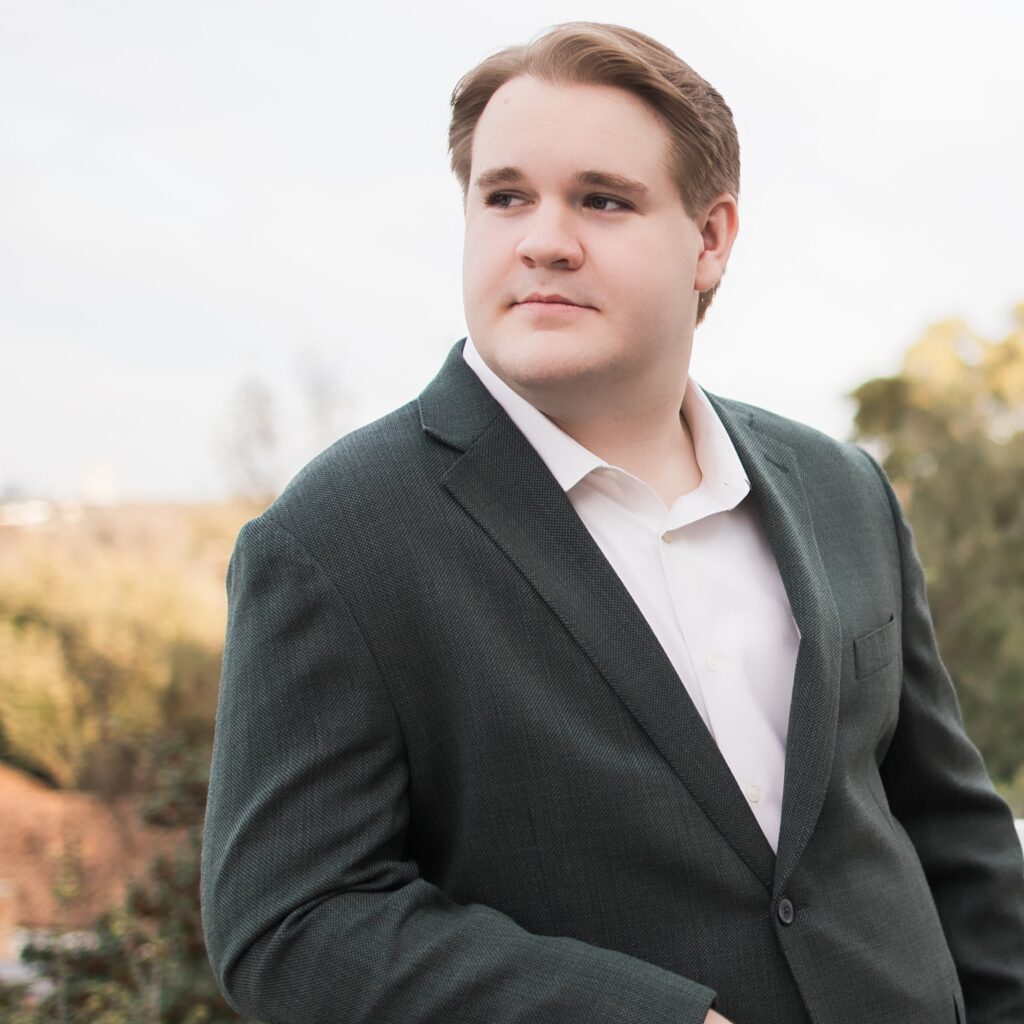
Charles Worrell
Charles is a recent TCU alumnus from Fort Worth, Texas, with a degree in Philosophy and a minor in History. As a lover of the humanities, Charles is continuing his studies to become a curator or archivist.

Isaac Mulat
Isaac is a recent alumnus of TCU from Plano, Texas, with a degree in Combined Science and a minor in Biology. He’s always been interested in the life sciences and is pursuing research after graduation.