S5 Teaser: What was the Scientific Revolution?


Posted on

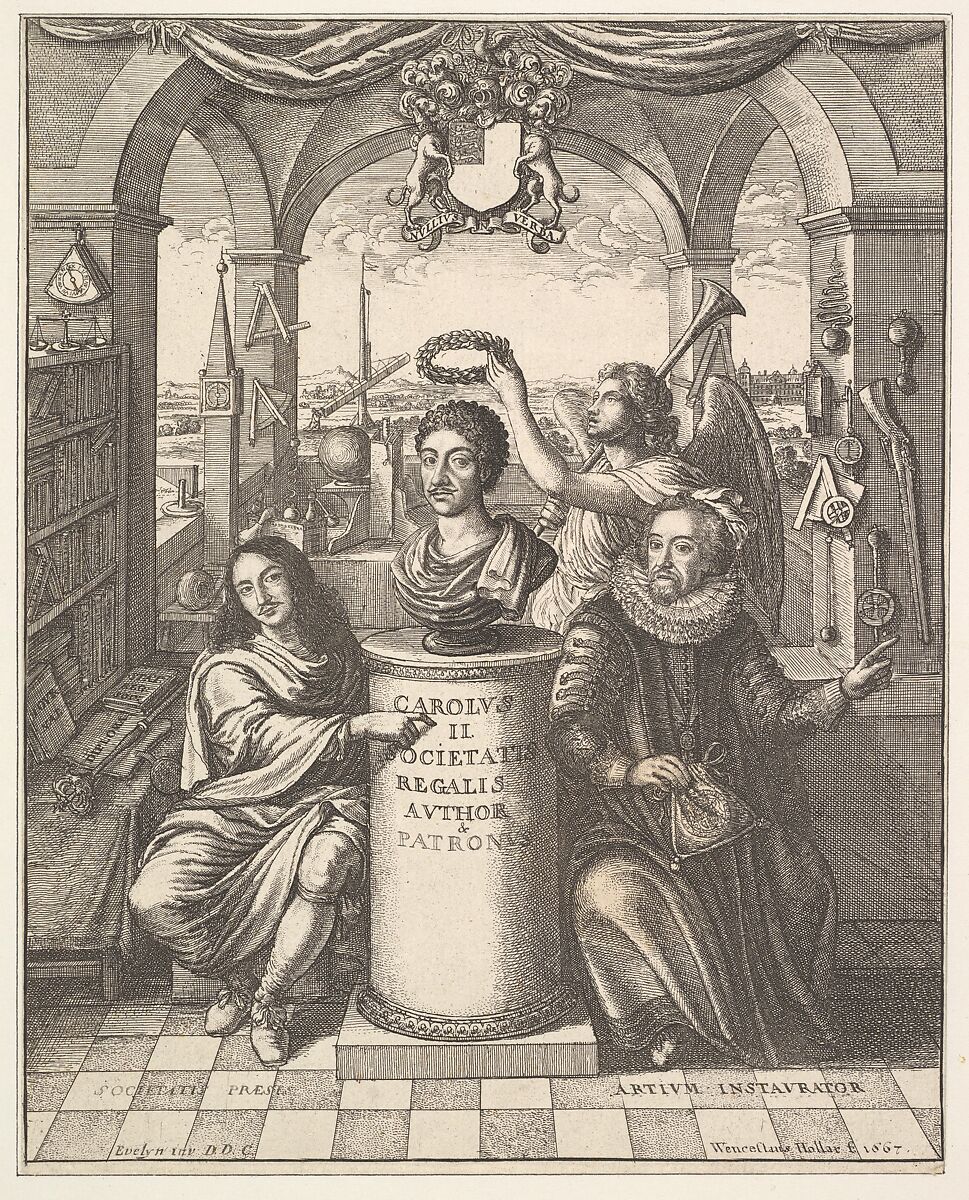
The title page engraving from Thomas Sprat’s History of the Royal Society of London, one of the premier institutions for scientific research in early modern Europe

Between around 1450 and 1750, historians agree that something exciting happened in Europe: new discoveries led to new knowledge about the natural world. Scholars used new methods, like experimentation, to study and examine phenomena in nature. Longstanding theories about the order of the universe and the workings of nature were overturned. In popular histories of this period, the Scientific Revolution is often understood as a period when people let go of their old superstitions and blind beliefs—to include religious faith—and embraced reason, logic, and the evidence of their senses. But is this really true? Were science and religion in conflict in early modern Europe?

Melissa Reynolds

Dr. Reynolds is Assistant Professor of Early Modern European History at TCU.

Recent Episodes

  • S6 E6 Machines of War

    The Supermarine Spitfire and HMS Belfast stand as complementary symbols of British military power during the Second World War, representing air and naval dominance through advanced engineering and wartime service. Designed by Reginald Joseph Mitchell, the Spitfire’s compact frame, elliptical wings, and Rolls-Royce Merlin engine gave it superior maneuverability and climb rate, advantages that proved…

  • S6 E1: The Crown

    Queen Victoria’s death on January 22, 1901, marked a moment of immense ceremonial and symbolic importance, culminating in a military-style funeral she herself had carefully planned. Held at St George’s Chapel, Windsor, and followed by her interment at Frogmore Mausoleum, the procession emphasized discipline, tradition, and monarchy’s enduring authority, from the gun carriage bearing her…

  • S6 E2 Objects from the Boer War

    Sources Curie, Marie. “X-rays on Wheels.” In Marie Curie: In Her Own Words, brief exhibit. American Institute of Physics. https://history.aip.org/exhibits/curie/brief/06_quotes/quotes_12.html. Morton, William James, and Edwin W. Hammer. The X-Ray; or, Photography of the Invisible and Its Value in Surgery. New York: American Technical Book Company, 1896. Royal Photographic Society. “The Röntgen Rays.” Journal of the…

Archive